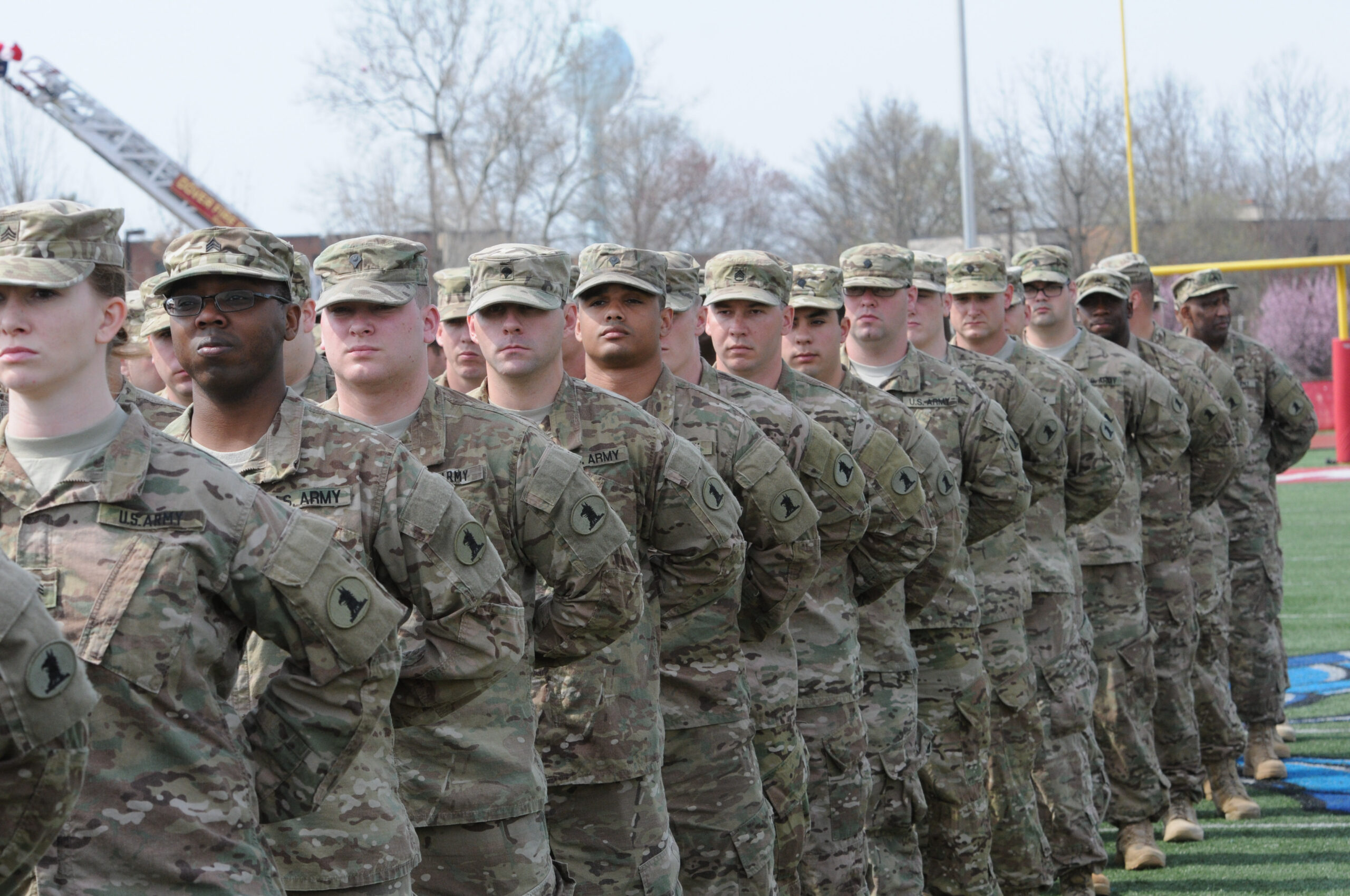
When the novel coronavirus first emerged in late 2019, few could have predicted how profoundly it would test global institutions, including the armed forces. Yet, as headlines like “The military will be ready for the challenge of the coronavirus era” appeared in early 2020, they captured a moment of resolve amid uncertainty. The U.S. military, long trained for combat in distant theaters, suddenly found itself on the front lines of a domestic public health crisis. This wasn’t just about maintaining warfighting readiness; it was about proving that the armed forces could adapt to an invisible enemy while safeguarding national security.
I remember watching those early days unfold from afar, thinking back to my own time in uniform during past crises. The virus didn’t respect borders or rank, and it forced leaders to balance force protection with humanitarian support. What emerged was a story of resilience, innovation, and hard-learned lessons that continue to shape military preparedness today.
The Early Mobilization: From Wuhan to Worldwide Alert
As cases spiked in China, the U.S. Department of Defense (DoD) activated protocols rooted in existing pandemic plans.
The military’s response began swiftly. In February 2020, U.S. Northern Command (NORTHCOM) executed the Global Pandemic Plan, coordinating support for evacuated personnel from Wuhan and issuing health guidance. By March, as the World Health Organization declared a pandemic, the DoD established task forces and restricted travel to protect troops overseas.
This rapid shift highlighted the military’s dual role: defending the nation externally while supporting it internally. National Guard units activated in every state under governors’ authority, peaking at over 44,000 troops assisting with testing, logistics, and medical care.
Key Roles the Military Played in the COVID-19 Response
The armed forces brought unique capabilities to the civilian effort, often filling gaps where local resources fell short.
Military medical teams augmented overwhelmed hospitals, the Army Corps of Engineers built field hospitals, and the Navy deployed hospital ships like the USNS Comfort to New York and Mercy to the West Coast. These vessels provided thousands of beds for non-COVID patients, easing pressure on civilian facilities.
Logistics experts transported supplies, while engineers retrofitted convention centers into alternate care sites. In states like New York, Guard members assembled test kits, delivered meals, and supported contact tracing.
- Medical Support: Deployed field hospitals and personnel to cities like New York and Detroit.
- Logistics and Supply: Distributed millions of masks, ventilators, and PPE from DoD stockpiles.
- Testing and Vaccination: Staffed drive-thru sites and later vaccination centers.
- Community Aid: Delivered food to vulnerable populations and decontaminated facilities.
These efforts demonstrated the military’s value in “defense support of civil authorities” (DSCA), a mission governed by laws like the Stafford Act.
Maintaining Readiness Amid the Crisis
A core challenge was preserving combat readiness while combating the virus. Training halted, deployments paused, and exercises like Defender Europe 20 scaled back.
Yet the military adapted. Virtual training expanded, telework surged for support roles, and protocols like masking and distancing minimized outbreaks. Infection rates among service members stayed lower than the national average, thanks to disciplined enforcement.
The Navy faced high-profile incidents, such as outbreaks on aircraft carriers, but lessons from those events improved protocols fleet-wide. Overall, readiness remained high, with leaders emphasizing that the force could still deter adversaries.
| Aspect | Pre-Pandemic Challenge | Adaptation During COVID-19 | Outcome |
|---|---|---|---|
| Training & Exercises | Large-scale, in-person events | Shift to virtual/distanced formats | Maintained skills with minimal disruption |
| Deployments | Routine rotations overseas | Temporary pauses, enhanced health screenings | Protected force health, resumed gradually |
| Recruitment | In-person processing | Virtual recruiting and delayed entry programs | Adjusted to sustain numbers |
| Supply Chain | Global dependencies | Increased domestic focus, stockpiling | Reduced vulnerabilities |
Pros and Cons of Military Involvement in Pandemic Response
Pros
- Rapid deployment of disciplined, trained personnel.
- Access to engineering, logistics, and medical expertise.
- Ability to scale quickly without overwhelming civilian systems.
- Boost to public morale through visible support.
Cons
- Risk of diverting resources from core defense missions.
- Potential strain on troops already facing high operational tempo.
- Legal and policy limits (e.g., Posse Comitatus Act restrictions on law enforcement roles).
- Public perception concerns about militarizing health crises.
Balancing these factors required clear guidance from civilian leadership.
Lessons Learned: Building a More Resilient Force
The pandemic exposed vulnerabilities but also strengths. Key takeaways include the need for better integration of pandemic planning into readiness exercises.
Investments in medical research paid off, accelerating vaccine development through partnerships like Operation Warp Speed. The military’s biodefense capabilities, honed for threats like anthrax, pivoted effectively to SARS-CoV-2.
Future preparedness demands:
- Enhanced stockpiles of PPE and ventilators.
- Improved global surveillance and information sharing.
- Flexible training that incorporates health crises.
- Stronger civil-military partnerships at state and local levels.
One emotional highlight came from stories of Guard members helping in their hometowns—nurses treating neighbors, engineers building facilities in communities they’d grown up in. It reminded everyone that service often means protecting your own backyard.
People Also Ask (PAA) Section
What role did the U.S. military play in the COVID-19 response?
The military provided logistical support, medical personnel, field hospitals, and supplies like PPE and ventilators, while the National Guard assisted states with testing and community aid.
How did COVID-19 affect military readiness?
It disrupted training and deployments initially but led to adaptations like virtual exercises; overall readiness remained strong, with lower infection rates than civilians.
Did the military deploy hospital ships during the pandemic?
Yes, the USNS Comfort and Mercy were sent to New York and Los Angeles to support civilian hospitals by treating non-COVID patients.
What lessons did the military learn from COVID-19 for future pandemics?
Emphasis on rapid adaptation, prototype pathogen approaches, global collaboration, and integrating health threats into readiness planning.
How has the DoD updated pandemic preparedness post-COVID?
Plans now incorporate lessons from COVID-19, including revised guidance on infectious diseases and enhanced coordination with civil authorities.
FAQ: Common Questions Answered
1. Was the military prepared for a pandemic like COVID-19?
Plans existed (e.g., DoD’s Global Campaign Plan for Pandemic Influenza), but the scale and speed of SARS-CoV-2 tested them. Early actions like travel restrictions helped, though initial supply shortages highlighted gaps.
2. Can the military enforce quarantines domestically?
Generally no—Posse Comitatus limits law enforcement roles unless authorized. Support focused on aid, not enforcement.
3. How did vaccines impact military readiness?
Vaccination efforts, supported by DoD logistics, helped restore normal operations. Later policy changes addressed mandate-related separations.
4. What about international military responses?
Countries like China mobilized thousands for hospitals, while others blended civil-military efforts. The U.S. emphasized support roles over lead.
5. Will future pandemics change military doctrine?
Yes—expect more focus on biodefense, rapid prototyping, and hybrid threats combining health and security risks.
In the end, the coronavirus era proved the military’s adaptability. It wasn’t flawless, but the experience forged a more resilient force, ready for whatever challenge comes next. The headline from 2020 rings true today: the military was—and remains—ready.