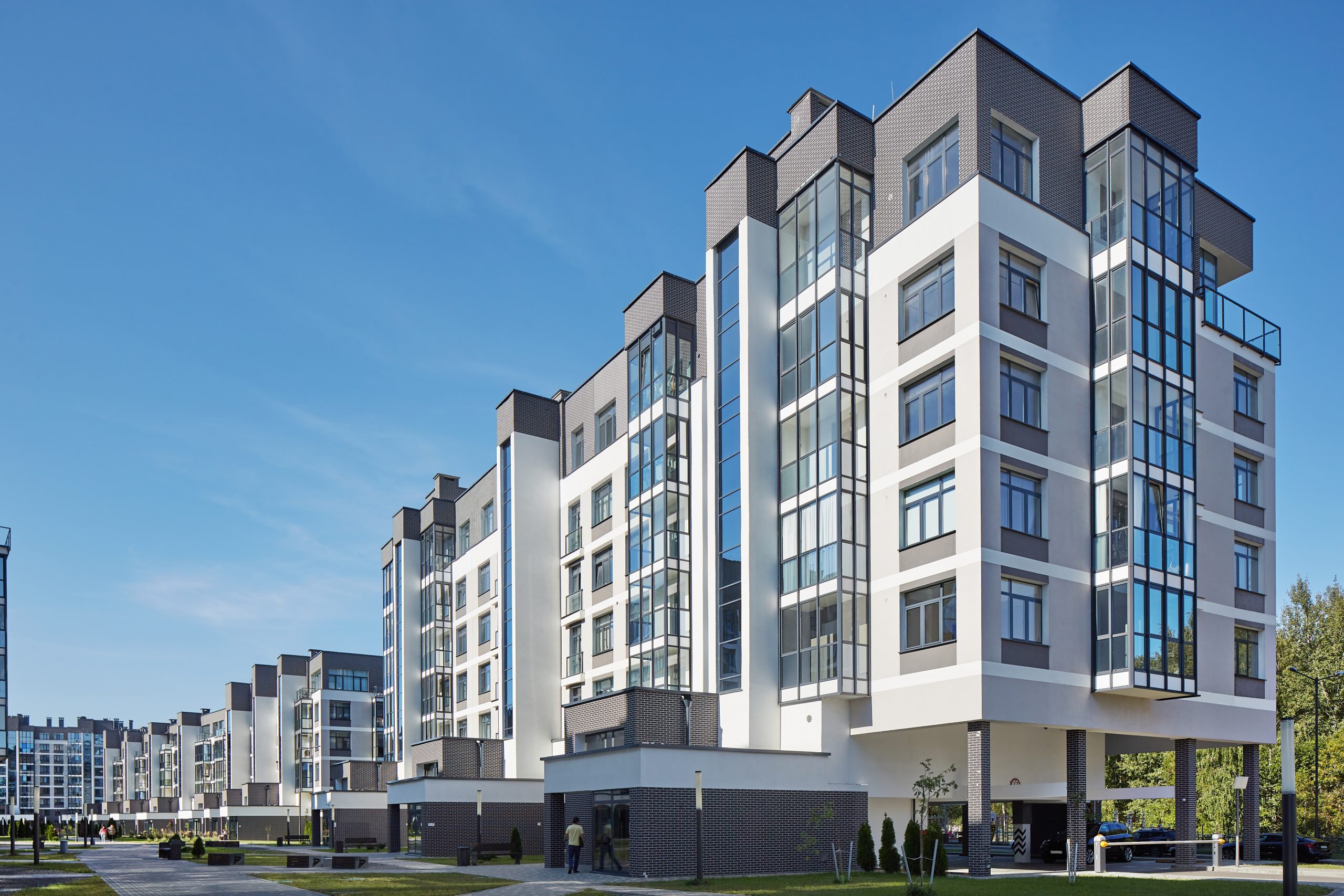
Real estate is one of those things that touches almost everyone’s life, whether you’re renting your first apartment, buying a family home, or thinking about dipping into investments. I’ve been around properties for years—helping friends navigate their first home purchase, watching family members flip a fixer-upper, and even dealing with my own rental headaches (and occasional wins). At its simplest, real estate means land plus anything permanently attached to it. Think houses, offices, factories, or even just raw acres waiting for development. It’s not like stocks or cash; it’s tangible, finite, and often tied to location, which makes “location, location, location” more than just a cliché.
The term comes from “real property,” distinguishing it from personal property like your car or phone. When you own real estate, you get rights to the land, the structures, the air above (to a point), and resources below, like minerals or water in some cases. It’s a big deal because unlike other assets, real estate doesn’t move—its value hinges on where it is, what’s around it, and how people use it.
What Is Real Estate Exactly?
Real estate covers land and all permanent improvements on it, whether natural (like trees) or man-made (buildings, fences, roads). Legally, it’s immovable property, separate from personal belongings you can pick up and take away.
Imagine buying a plot in the countryside. If you add a barn or plant an orchard, those become part of the real estate. But your tractor? That’s personal property. This distinction matters for taxes, sales, and inheritance.
Many people confuse real estate with real property. Real estate is the physical stuff; real property includes the legal rights bundled with it—like the right to sell, lease, or build.
The Main Types of Real Estate
Real estate breaks down into categories based on how it’s used. Knowing these helps whether you’re buying a home or eyeing an investment.
Each type has its own vibe, risks, and rewards. Residential feels personal; commercial feels business-like.
Residential Real Estate
This is where people live—single-family homes, apartments, condos, townhouses, duplexes, and vacation properties. It’s the most familiar type for most folks.
Residential makes up the bulk of what everyday buyers deal with. You might start in a cozy starter home, upgrade to something bigger as your family grows, or downsize later. It’s emotional—tied to memories, neighborhoods, schools.
Pros: Steady demand, potential for appreciation, tax perks like mortgage interest deductions.
Cons: Maintenance headaches, tenant issues if renting out, sensitive to economic shifts.
Commercial Real Estate
Properties used for business—office buildings, retail stores, shopping centers, hotels, restaurants. Not for living; for making money through operations.
Commercial leases often run longer (5–10+ years), with tenants handling more upkeep. Think strip malls or downtown high-rises.
Pros: Higher rental yields possible, triple-net leases shift costs to tenants.
Cons: Vacancies hurt more (one empty office can tank cash flow), cyclical with economy.
Industrial Real Estate
Warehouses, factories, distribution centers, manufacturing plants. These support logistics, production, e-commerce.
With online shopping booming, industrial has been hot—think Amazon fulfillment centers.
Pros: Long-term tenants, lower maintenance than retail.
Cons: Location-specific (near highways/ports), environmental regulations.
Land (Raw or Undeveloped)
Vacant land, farms, timberland, or buildable lots. No structures, or minimal.
Land offers potential—buy cheap, hold, develop later or flip.
Pros: Low holding costs, big upside if rezoned or area grows.
Cons: No immediate income, taxes still due, development risks.
Special Purpose Real Estate
Properties with limited uses—schools, churches, cemeteries, government buildings, parks.
These serve public or specific needs, often harder to repurpose.
Pros: Stable if community-backed.
Cons: Niche market, fewer buyers/sellers.
Here’s a quick comparison table:
| Type | Primary Use | Typical Income Source | Risk Level | Liquidity |
|---|---|---|---|---|
| Residential | Living | Rent or appreciation | Medium | High |
| Commercial | Business operations | Long-term leases | High | Medium |
| Industrial | Manufacturing/Storage | Leases to companies | Medium | Medium |
| Land | Future development | Sale or development | High | Low |
| Special Purpose | Public/Specific | Grants or donations | Low-Medium | Low |
How Real Estate Works: The Basics
Real estate “works” through supply, demand, and transactions. Prices rise when more people want properties than are available (seller’s market), drop when the opposite happens (buyer’s market).
Buying starts with finding a property, getting pre-approved for a mortgage, making an offer, inspecting, appraising, and closing. Sellers list, market, negotiate, and transfer title.
Investing adds layers—rental income, appreciation, tax benefits. But it involves management, financing, and market timing.
The market cycles: recovery (prices bottom, buying starts), expansion (building booms, prices climb), hypersupply (too much inventory), recession (prices fall). Understanding cycles helps avoid buying at peaks.
Personally, I remember buying my first rental during a recovery phase after 2008. Prices were low, tenants reliable, and it paid off over time. But I’ve seen friends buy high and struggle when the market cooled.
How to Invest in Real Estate
Investing isn’t just for the wealthy. Options range from hands-on to passive.
Direct ownership: Buy a property, rent it, manage it. Great control, but time-intensive.
REITs (Real Estate Investment Trusts): Buy shares in companies owning properties. Like stocks, liquid, diversified, no landlord duties.
Crowdfunding platforms: Pool money for deals, lower entry.
Flipping: Buy undervalued, renovate, sell quick. Risky, needs skills.
Buy-and-hold: Purchase, rent long-term, build equity.
Pros of real estate investing: Hedge against inflation, leverage (borrow to buy), passive income potential, tax advantages (depreciation, 1031 exchanges).
Cons: Illiquid, high upfront costs, management hassles, market downturns.
Start small—maybe a duplex where you live in one unit, rent the other (house hacking).
People Also Ask (PAA)
Here are common questions people search alongside “what is real estate”:
- What is the difference between real estate and real property?
Real estate is the physical land and attachments; real property includes the legal rights to it. - Is real estate a good investment?
It can be—long-term appreciation and income potential—but depends on location, timing, and management. - What are the four main types of real estate?
Residential, commercial, industrial, and land (sometimes special purpose is fifth). - How does buying a house work step by step?
Get pre-approved, find a home, offer, inspect/appraise, close with title transfer. - What is residential vs commercial real estate?
Residential for living; commercial for business use.
FAQ
What is real estate in simple terms?
It’s land plus anything permanently fixed to it, like buildings or natural features, along with ownership rights.
How do I get started in real estate investing?
Educate yourself, save for a down payment, consider FHA loans for low down payments, or start with REITs for easier entry.
Is real estate always a safe investment?
No investment is risk-free. Markets fluctuate, but historically, well-located real estate appreciates over time.
Can I invest in real estate without much money?
Yes—through REITs, crowdfunding, or partnerships. House hacking lets you live rent-free while building equity.
What affects real estate prices the most?
Interest rates, job growth, supply/demand, location amenities, and economic conditions.
Real estate isn’t flashy like tech stocks, but it’s grounded—literally. Whether you’re sheltering your family or building wealth, understanding it opens doors. If you’re in a growing area, it can feel like planting a tree that shades generations. Just remember: do your homework, start small, and maybe consult a pro. The right property at the right time can change everything.